
How Will the AI Glasses Battle Play Out? Cellid, XREAL and Qualcomm Gave the Same Answer in Tokyo
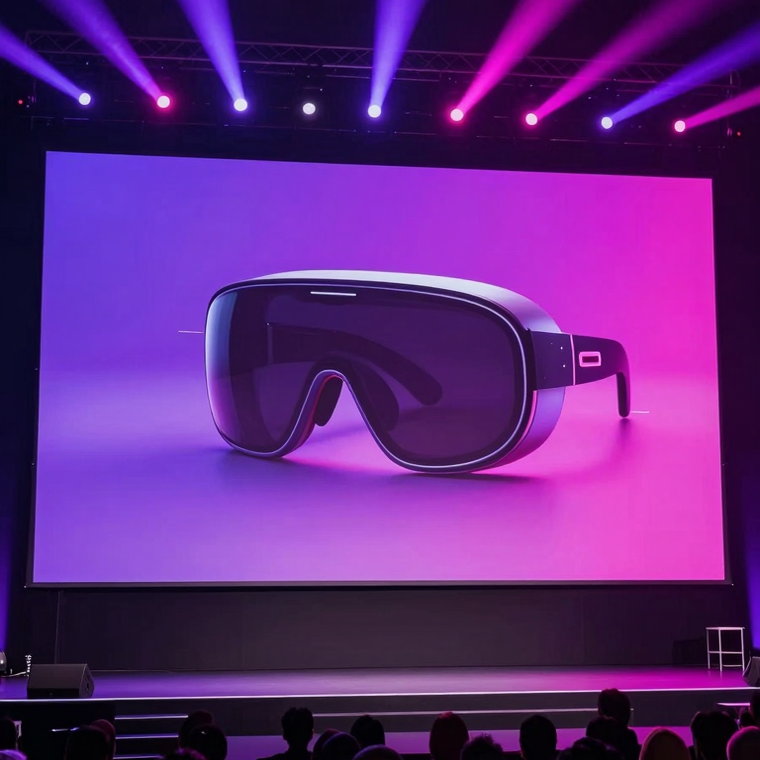
November 30, Takeshiba, Tokyo. XR Kaigi 2026, Japan's biggest annual XR conference organized by Mogura VR, kicks off for a three-day run.
I went through the Day 1 agenda and found something interesting: three heavyweight keynotes, from Cellid, XREAL, and Qualcomm. Their businesses barely overlap — one makes waveguides, one makes glasses, one makes chips — yet their topics converge on a single theme.
The AI glasses race is no longer about individual hardware. It's about ecosystems.
Start with the opening. The opening keynote will be delivered by XR Kaigi producer Shun Kubota, titled "Now That AI Meets Reality, What Happens Next?" That title sets the tone for the whole conference.
Cellid: A Waveguide Company Starts Talking Ecosystems
The first corporate keynote starts at 12:50, with Cellid CEO Ken Shirakawa on stage.
This company deserves an introduction. Cellid holds one of the most critical components of AR glasses — the optical waveguide, the thin slice of glass that bends light to project virtual images into ordinary-looking lenses. Only a handful of teams worldwide can design waveguides in-house, and Cellid is the most prominent among Japan's players.
But Shirakawa isn't planning to talk optics this time. The official topic: "From Optical Technology to AR Glasses, and AI — The Ecosystem Cellid Connects." When a company built on optics starts pitching ecosystems, the pivot itself is the message.
A great waveguide is still just a component. Component makers thrive only when attached to a bigger story — and the story everyone has aligned on now is AI.
XREAL: Throwing the Question to Creators
The second keynote, at 13:40, belongs to XREAL. They've invited multiple guests to tackle a more fundamental question: who will create the next generation of XR experiences?
Three official talking points: the potential of Japanese XR content, how AI expands what creators can do, and sustainable business models for XR content.
The third point stings the most. However many headsets you sell, if creators can't make money, the ecosystem idles in place. Putting "business models" on the keynote stage suggests XREAL knows specs alone won't win the second half.
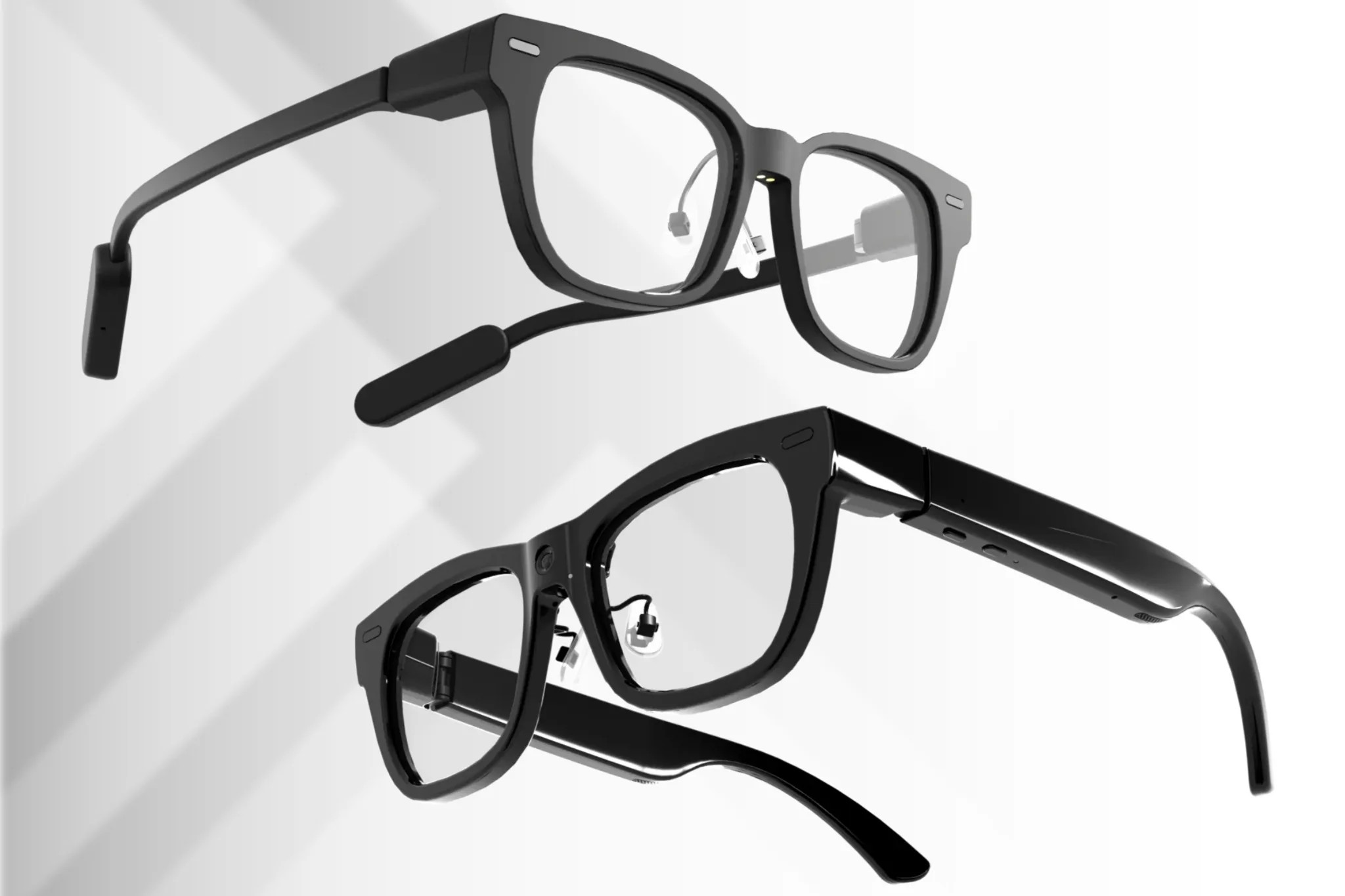
By the way, among the devices visitors can try on-site is the XREAL AURA — a one-piece glasses form factor, closer to ordinary eyewear than ever.
Qualcomm: The AI Vision Market Through a Chipmaker's Eyes
The third session, at 14:30, gives the spotlight to Qualcomm. Alexandre Delarge, Senior Manager of Product Marketing, presents under a blunt title: "The AI Vision Market for AR Glasses, Powered by Qualcomm SoCs."
As AR glasses begin reaching the market, Qualcomm sits at the very top of the supply chain watching the view — Snapdragon platforms power most mainstream AI glasses. How a chipmaker reads the global and Japanese markets often says more than any OEM launch event.
One more session worth catching: at 15:20, Awear CEO Ash Saulsbury takes the stage. Having led AI projects at Meta, Apple, and Microsoft, he'll speak on implementing agentic AI UIs on glasses. How eyewear should host AI agent interaction is a question the whole industry hasn't figured out yet — worth listening to someone answering it from Silicon Valley.
The Detective's Take: The Agenda Is the Trend
A conference agenda is a vote on industry consensus. XR Kaigi 2026 gave all three prime slots to "AI + glasses," which means Japan's XR industry has completed its mental shift: glasses are AI's vehicle, not an extension of the display.
At 4:15 PM the same day, the XR Kaigi Award 2026 ceremony follows, across five categories: hardware, tools and infrastructure, consumer, enterprise, and activities. The evening networking party remains ticket-holders only, as always.
The conference runs through December 2, with sessions from PICO, Sony, and others in the following days. I'll be tracking the transcripts closely — especially Qualcomm's and Awear's. The upstream judgment and the interaction answer both hide there.
A closing question: when waveguide makers, device makers, and chipmakers all tell the same AI story, who in this race can tell a second story?
分享文章
3篇相关文章
AR Glasses' Biggest Weakness, Solved? This Self-Tinting Lens Might Be the Last Piece of the All-Day Wearing Puzzle
2026-11-25
AR glasses fail outdoors not because the chips are weak, but because sunlight washes everything out. Miru and Biel Crystal are teaming up to fix exactly that.
AR Glasses Too Crowded on the Street? These HIT Graduates Dove Into the Ocean and Raised 7 Million in Crowdfunding
2026-11-17
While every vendor fights for your face on the street, Xingyu Weilan put AR displays into a dive mask and found its blue ocean underwater.
Meta Plays Three Aces: Apps Can Float in Space Without a Rewrite, Disney+ Takes the First Bite
2026-10-21
Meta VR Glasses haven't shipped yet, but Meta is already laying the foundation of its developer ecosystem. This time, 2D apps grow spatial bones.