
37 Minutes, One Dead Cat, and an International VR Film Grand Prize
A dead cat. A teenager diagnosed with mental illness. A 37-minute VR film. Those three things just won the top prize in the XR section of the Kaohsiung Film Festival.
This isn't performance art. After reading the announcement, I think it may be the most interesting signal the VR content industry has sent all year.
What Happened
On October 26, Kodansha VR Lab announced that "IF YOU SEE A CAT," a VR animated film directed by Jun Wada, won two awards in the XR section of Taiwan's Kaohsiung Film Festival: the top prize, the XR Golden Fireball Award, plus a special jury honor, the XR Spark Award.
Some of you may not know Jun Wada. He's a well-regarded director in Japan's short-animation scene, known for a quirky visual style and restrained storytelling. This was his first time working in VR. On his very first attempt, he beat out 29 shortlisted works from around the world.
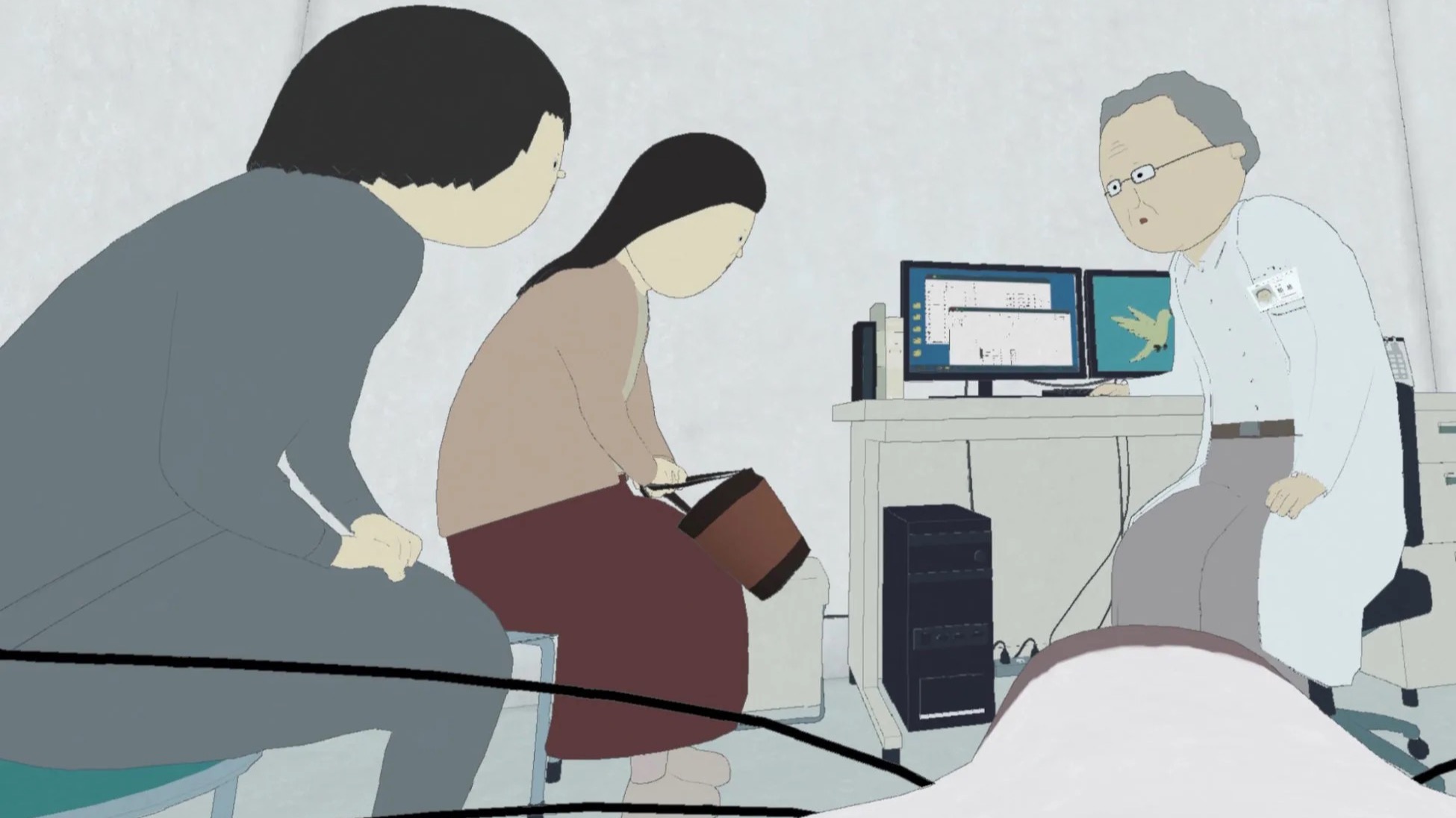
And this is far from its first win. Since earning a nomination at the 82nd Venice International Film Festival, the film has collected awards or invited screenings at 22 international film festivals. Venice needs no introduction — it's the Olympics of cinema. A VR animation standing its ground there speaks for itself.
What the Film Is About
The story is simple, and it hurts.
A boy's beloved cat dies, yet he keeps seeing the cat in hallucinations. For that single reason, he is diagnosed with a mental disorder and hospitalized for treatment. And you, the viewer, play neither the boy nor the doctor. You play the hallucinated cat.
From the cat's point of view, you quietly watch the boy live out his days in the hospital.
That point-of-view choice is, to me, the sharpest stroke in the whole film. You assume VR's first-person camera exists to put you in the protagonist's shoes? Wrong. It makes you the thing that doesn't exist. You can see his pain, but you can never reach him. The audience becomes a witness, not a participant.
One more thing worth saying: this film doesn't manufacture emotion out of thin air. The production team interviewed many people working in Japanese psychiatric care and wove the system's real problems into the plot. Virtual reality, carrying the topic reality finds hardest to talk about.
Why It Matters
Here's the point.
For the past two years the VR content industry has been running in circles: competing on hardware, on image quality, on gameplay. Headsets keep getting lighter, resolutions keep climbing, but where is the killer content? Everyone is still waiting.
"IF YOU SEE A CAT" took a different path. VR doesn't need to pretend to be a flashier game console. It is, fundamentally, the first medium in human history that lets you "become someone else."
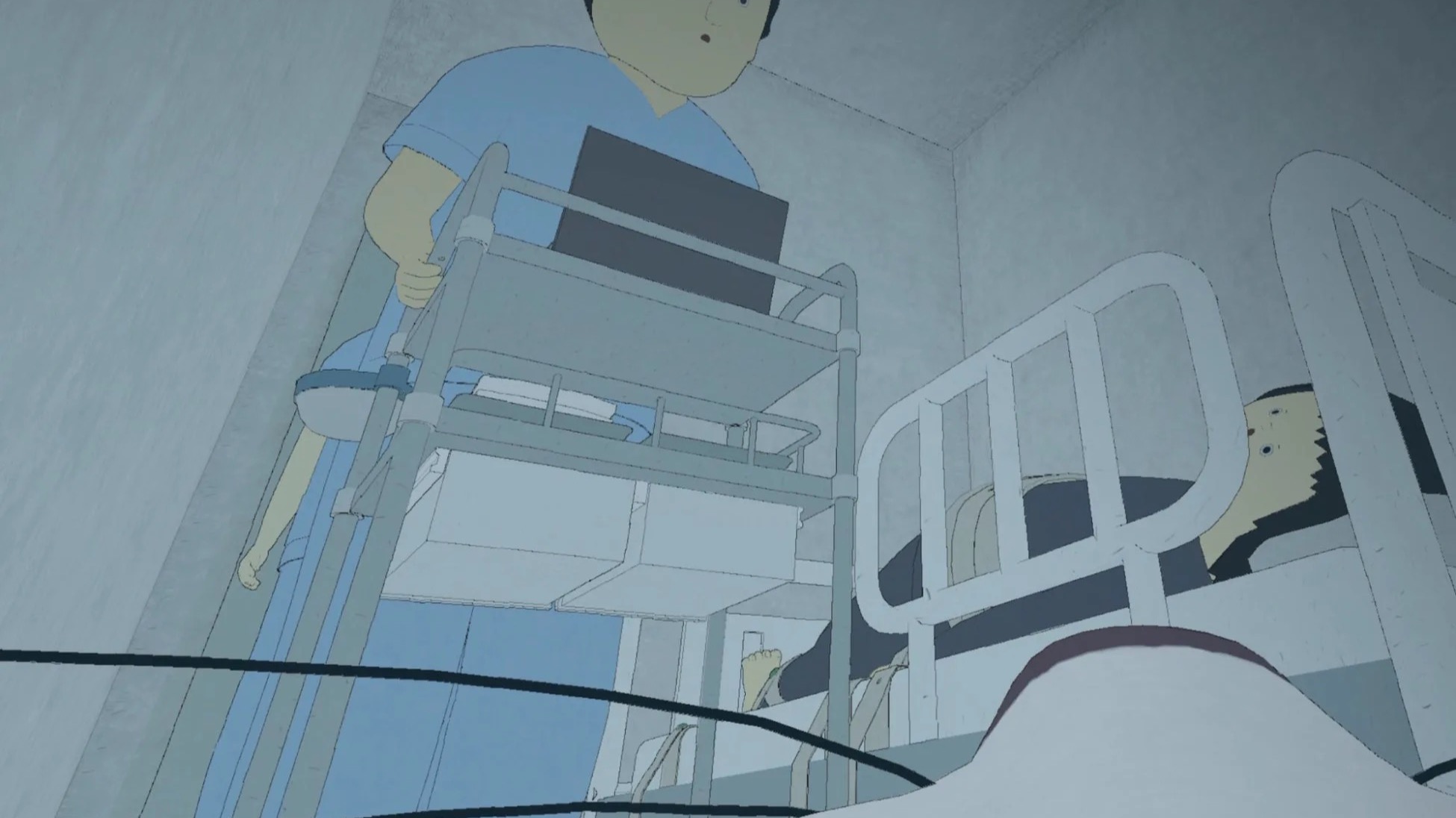
The film is already live on Steam and the Meta Horizon Store. Pick an evening, put on a headset, and spend 37 minutes inside the feeling of loss. A 4K TV can't give you that. Neither can a cinema screen.
There's another layer: Kodansha, a traditional publishing giant, set up a dedicated VR Lab to make this film, and the Kaohsiung Film Festival, a thoroughly traditional festival, created a top prize for XR works. When legacy content industry players bet collectively on immersive storytelling, that's not a coincidence.
My Take
When a technology's killer app stops helping you escape reality and starts helping you understand it, that's when it has truly matured.
VR film won't make quick money anytime soon. What it's building is the medium's own visual language — the same step cinema once took from "filmed stage plays" to a true film language. Someone has to walk it first.
That cat will never see the box office. But it saw the future.
What do you think breaks out next in VR storytelling — games or film? Let's talk in the comments.
分享文章
3篇相关文章
Free Upgrade on Day 3: A $650 VR Headset Doubles Its Panels and Battery Mid-Campaign
2026-10-26
Japan's Walker Industries upgraded backers from 1600x1600 to 2160x2160 panels and a 85Wh cell just three days into its Kickstarter — and plans to open source the whole headset. Inspiring story, real risks too.
VR Tactical Shooter Geronimo: When Virtual Death Teaches Real-World Communication and Collaboration
2026-07-27
Steam just launched a VR tactical shooter called Geronimo—aimed at squad tactical combat, rough around the edges but gets the core right.
Nurses Must 'Face Violence' Before Internship: How This University Uses VR to Teach Self-Protection
2026-06-16
Australia First: UTS Makes VR Violence Prevention Training Mandatory for Nursing Students