
VR Tactical Shooter Geronimo: When Virtual Death Teaches Real-World Communication and Collaboration
Steam just launched a VR tactical shooter called Geronimo—aimed at squad tactical combat, rough around the edges but gets the core right: making every door breach充满紧张感.
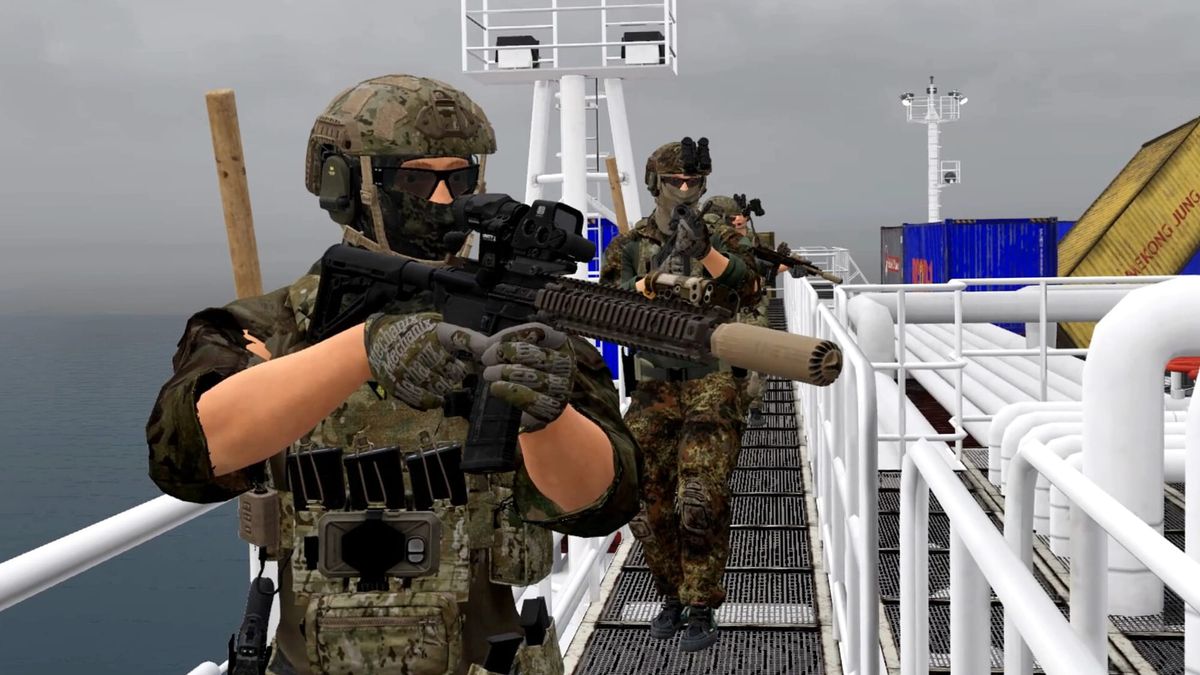
Each mission begins with loadout configuration: night vision goggles, breaching tools, weapon accessories. Diverse mission environments, from buildings to tunnels to giant oil tankers. Core gameplay is breach-and-clear—how to open the door, what angle to use, who covers whom, every choice determines life or death.
Death in the game is realistic. One or two well-placed shots can end the mission. No revive mechanism. Once you're down, you're out, reduced to watching your teammates continue.
Gunplay feels solid. Weapons have convincing weight, physics engine is believable, walls actually stop bullets. This isn't an arcade shooter where you can soak up damage.
Solo mode makes every door a life-or-death choice. Multiplayer mode makes communication paramount.
A failed "frag out" call means a teammate walks face-first into a grenade. Standing up suddenly while crouched earns you friendly fire from the teammate providing cover. These "friendly fire" incidents aren't bugs—they're deliberate design: success depends on trust, communication, and discipline.
The tech is rough, but the core understands its craft.
Doors are the biggest problem. Often blow them off hinges only to have them remain visually in place while no longer acting as solid objects. Breaching rams get stuck in doorways, sledgehammers float into mid-air—bugs everywhere.
Enemy AI is equally inconsistent. Sometimes they flank, retreat under pressure, other times stand right behind you without reacting. But the foundation is there, with more consistency it would dramatically elevate the experience.
The tutorial is also incomplete. Fine for veterans, but newcomers might be lost. Fortunately, experienced players online are happy to teach basics.
Geronimo reveals one direction for VR gaming: deep experiences.
VR isn't about making flat games 3D—it's about creating entirely new interaction dimensions. Geronimo uses the education of death to teach you the value of tactics, trust, and communication.
Die once, and you understand why "fragment out" matters. Friendly fire a teammate once, and you learn why sudden movements are dangerous. These lessons learned in virtual worlds come at low cost.
The game is still rough, but it's doing something right: using VR's unique advantages to create experiences flat games cannot provide.
When virtual death teaches us real-world communication and collaboration, are VR games becoming "training grounds" in some sense?
Next time, will skills learned in virtual worlds serve you in reality?
分享文章
3篇相关文章
Nurses Must 'Face Violence' Before Internship: How This University Uses VR to Teach Self-Protection
2026-06-16
Australia First: UTS Makes VR Violence Prevention Training Mandatory for Nursing Students
13 Tons of VR Headsets Cross the Ocean: Valve's Hardware Gamble
2026-06-15
A container ship from Shanghai arrived in Los Angeles carrying Valve's first 13 tons of Steam Frame VR headsets. This marks Valve's transition from virtual to reality, from code to hardware.
Pico's Next Headset Leaked: Did Their Designer Copy Apple and Samsung's Homework?
2026-06-12
Pico's next flagship headset Project Swan leaked unexpectedly, and why does this design look so familiar? Independent battery, woven head strap, 270g weight... I feel like I've seen this before.