
Epic's UE6: A Raid on Game Islands
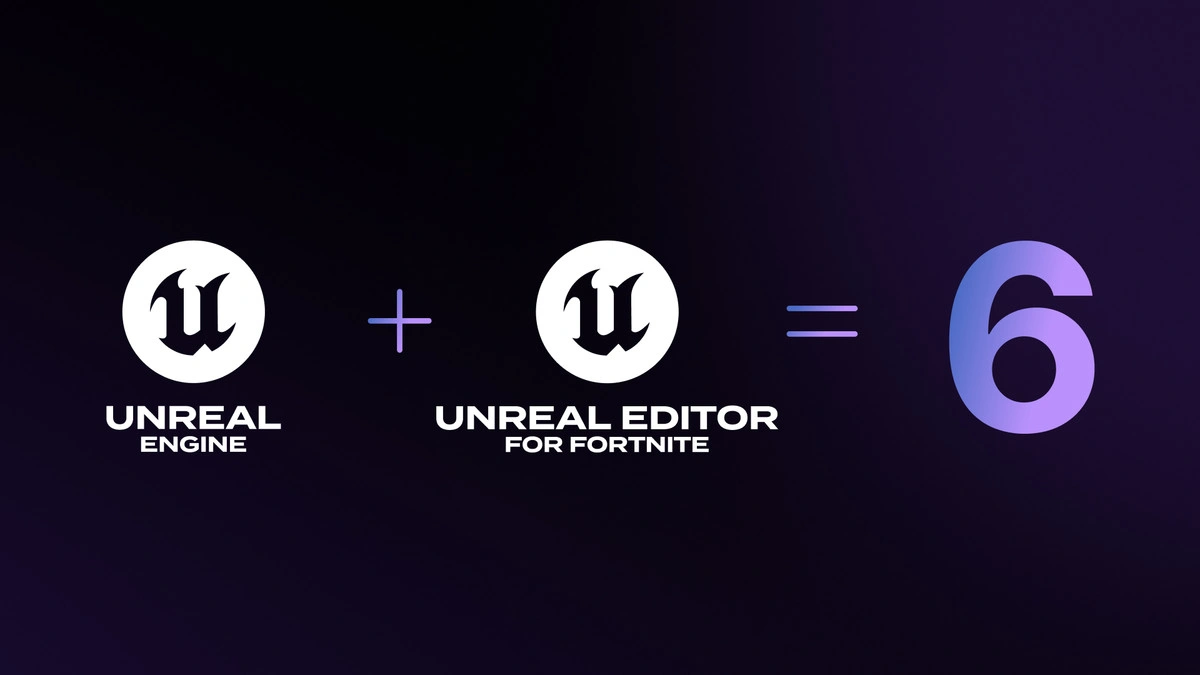
At Unreal Fest 2026 in Chicago, Epic released the roadmap for Unreal Engine 6.
The entire game industry should take a good look at this.
What's Wrong with Games Now
The skin you bought in Fortnite becomes useless code in Call of Duty. The hero you leveled to max in Honor of Kings starts from zero when you switch games. Every game is an isolated island, players trapped inside, developers reinventing the wheel.
Tim Sweeney wants to end this situation.
Epic's CEO is straightforward: enable players to no longer face isolated products, but freely move through an interconnected ecosystem.
What does this mean? The weapons you craft in one game, the characters you dress up, the digital assets you accumulate can be carried with you to different "venues," just like items in real life.
Changes Brought by Verse
Verse is Epic's self-developed new programming language. It adopts a "transactional execution mechanism," where all functions execute as atomic transactions, supporting rollback and resimulation.
Translation: Like having save and load functions in an RPG game, Verse gives code this capability too. When a piece of code fails, the system can roll back to a previous state.
This architecture is designed for distributed operation from the ground up. Developers don't need to handle complex server synchronization and network logic to build ultra-large-scale online worlds. It's like evolving from single-player games to cloud collaboration.
Cross-Game Interoperability
Epic plans to prioritize open standards like glTF and USD, and for parts standards don't cover, they'll open interfaces and asset specifications as open standards.
Fortnite's character skin system will gradually migrate to UE6's open modules. Developers can use players' owned Fortnite assets in their own games, with backward compatibility.
The skin you spent real money on in Fortnite can be used in other UE6-supported games. This isn't just about "skins," it's establishing a new economic model and asset circulation system.
AI Becomes Core Productivity
Epic connects mainstream models like Claude, Gemini, and Codex through the Model Context Protocol (MCP), opening engine capability interfaces to let developers freely build AI workflows.
AI will be used for level construction, character rigging, particle system configuration, animation skinning, code analysis, automated testing, and other areas. This isn't an auxiliary tool, it's core productivity.
Epic's internal engineering teams have already widely adopted AI-assisted development, achieving significant efficiency improvements in code retrieval, fault analysis, and automated test generation scenarios. This isn't just talk on paper, it's a proven productivity revolution.
UE and UEFN Integration
UE6 will complete the integration of Unreal Engine and Fortnite's dedicated editor (UEFN).
Future developers can use the same editor to publish content to traditional game platforms, the Fortnite ecosystem, and their own real-time service platforms simultaneously. Develop once, deploy everywhere.
Epic doesn't just want to make game engines, they want to become the infrastructure for the entire game ecosystem.
To lower migration barriers, UE6 early versions will retain the Actor system and Blueprint framework, providing cross-framework conversion tools. Radical change needs gentle transition.
Timeline
Late 2027, UE6 early access version. 2028-2029, official release.
In the next 2-3 years, the entire game industry will face underlying restructuring.
Who Benefits, Who Gets Eliminated
Epic's ambition goes beyond game engine upgrades. They're redefining the boundaries of gaming.
Games are no longer islands, digital assets can circulate across platforms, AI becomes a core productivity tool. The entire industry's business model, competitive landscape, and development logic will all be restructured.
This is about who can control the infrastructure of the future digital world.
Technological revolution waits for no one. When islands are connected into continents, those game companies that refuse openness and collaboration may truly become islands.
Players will ultimately benefit from this war about freedom and interoperability.
By 2030, we will no longer talk about "games," but about "interconnected digital experiences."
分享文章
3篇相关文章
Apple Cancels Vision Air, This Isn't So Simple
2026-07-10
Apple is quietly abandoning its XR headset strategy, betting everything on AI glasses instead
No More Buffering When Watching NBA on Vision Pro: The Invisible Engine Powering 90% of Immersive Video
2026-06-29
When you watch games on Vision Pro, it's these invisible infrastructures that support visible dreams.
Diamond Substrates for Chip Base? Fudan and Peking University's Black Tech Could Make AI Glasses Say Goodbye to Heating
2026-06-29
Using diamond for chip bases sounds like sci-fi, but it could soon be reality.