
Apple Cancels Vision Air, This Isn't So Simple
Apple Cancels Vision Air, This Isn't So Simple
Friends, today the Detective wants to chat with you about a signal many people are overlooking—Apple is quietly abandoning its XR headset strategy, betting everything on AI glasses instead.
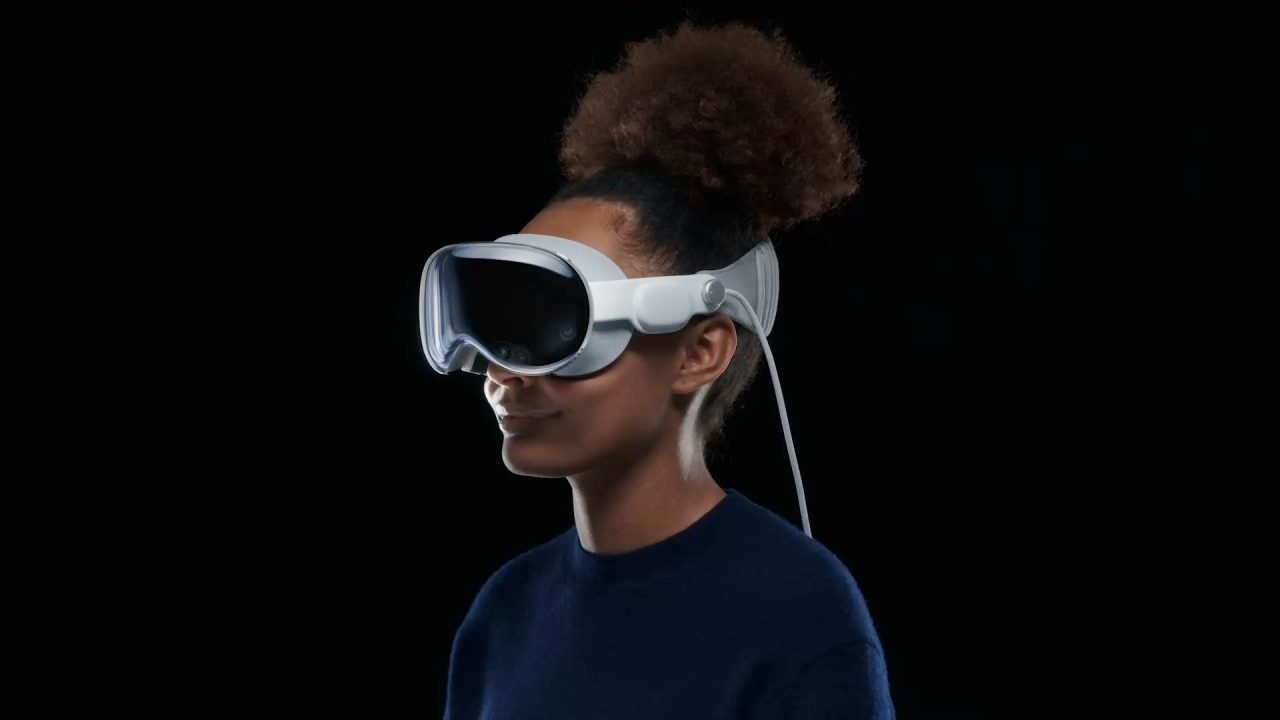
This news comes from a report by Korean media The Elec: Apple has decided to terminate the display project codenamed G-VR, which was originally intended to create the legendary Apple Vision Air—Vision Pro's "affordable sibling."
What is the G-VR Project? Let Me Break It Down
In plain English, G-VR is Apple's version of a "budget" Micro-OLED screen solution.
Vision Pro uses silicon-based Micro-OLED (OLEDoS) with a pixel density of up to 3386 PPI—undeniably sharp but astronomically expensive. Meanwhile, G-VR adopts glass-based Micro-OLED with pixel density reduced to 1600-1700 PPI—sacrificing half the resolution to achieve a price regular people can afford.
This logic makes perfect sense. Just like cars having luxury and economy versions, or phones with Pro and standard models, Apple wanted to use different screen configurations to cover different market segments.
According to the original plan, this device should have gone into mass production after 2028. But now, the project has been completely canceled.
Why Cancel It? Because Vision Pro Didn't Sell Well
This is the core of the issue.
As Apple's first XR headset, Vision Pro carried Apple's grand vision of entering "spatial computing." But reality is harsh—market performance fell far below expectations. In recent years, news about Vision Pro production cuts, suspended development, and even discontinuation hasn't stopped.
When a flagship product can't sell, do you still keep burning money to develop its "budget version"?
Apple's answer is: we're out.
According to industry sources, the project actually began winding down early this year, with Samsung Display confirming it will officially end related R&D tasks this September.
But This Isn't Giving Up on XR, It's Switching Lanes
Many people seeing this might think: Is Apple conceding defeat? Is XR done for?
Wrong, this is exactly what makes Apple so formidable.
There's another key piece of information in the report: Apple is shifting its strategic focus from XR headsets to AI glasses.
Friends, have you thought about this—why are Meta, RayNeo, Rokid, Huawei, and Xiaomi all frantically pushing AI glasses now? Why did Samsung Display showcase a smart glasses prototype featuring 0.62-inch RGB OLEDoS at AWE USA 2026 in June?
Because the industry wind has shifted.
AI glasses are becoming the new hot spot in consumer electronics. Compared to VR headsets that "cut you off from the world," AI glasses are about "making you smarter at seeing the world"—they're lighter, cheaper, more everyday, and can directly interface with supermodels like GPT-4o.
Apple canceling Vision Air isn't because it doesn't believe in XR anymore, but because it's redefining how XR enters the market.
What Does This Mean for Us?
This event sends several key signals:
First, stop waiting for some "budget Vision Pro"—it's never coming. Apple's next XR device will likely be a completely different form factor: AI glasses.
Second, the entire industry is migrating from "headsets" to "glasses". Omdia reports that industry focus is shifting toward lightweight XR glasses, while the traditional VR headset market won't stop declining and recover until 2027.
Third, display technology itself hasn't been abandoned. Samsung Display continues advancing OLEDoS development for Samsung Electronics' XR devices, while increasing investment in next-generation RGB OLEDoS technology. Screens will get smaller, brighter, and more power-efficient—only the shell holding them will change from headsets to glasses.
One Last Question from the Detective
Vision Pro's failure shows us a reality: when a technology requires users to wear a heavy headset and isolate themselves from their surroundings to experience it, it's destined to remain a toy for the few.
The rise of AI glasses represents a different approach—technology shouldn't extract you from reality, but should enhance your perception of the real world.
So friends, which would you rather see: a headset that instantly transports you to a virtual world, or glasses that make you smarter in the real world?
The answer may determine the direction of technology for the next decade.
分享文章
3篇相关文章
No More Buffering When Watching NBA on Vision Pro: The Invisible Engine Powering 90% of Immersive Video
2026-06-29
When you watch games on Vision Pro, it's these invisible infrastructures that support visible dreams.
Diamond Substrates for Chip Base? Fudan and Peking University's Black Tech Could Make AI Glasses Say Goodbye to Heating
2026-06-29
Using diamond for chip bases sounds like sci-fi, but it could soon be reality.
VR in 2030 Won't Need Headsets: Leia's Answer
2026-06-25
If you think the future of the metaverse is everyone wearing bulky helmets, you might be wrong.