
FCC Leak Reveals Two New Model Numbers: Meta's Third-Gen Ray-Ban Smart Glasses Are Coming
FCC filings never lie. Two new device model numbers recently popped up in the US Federal Communications Commission database: RW7001 and RW7002.
The entire smart glasses space is on edge.
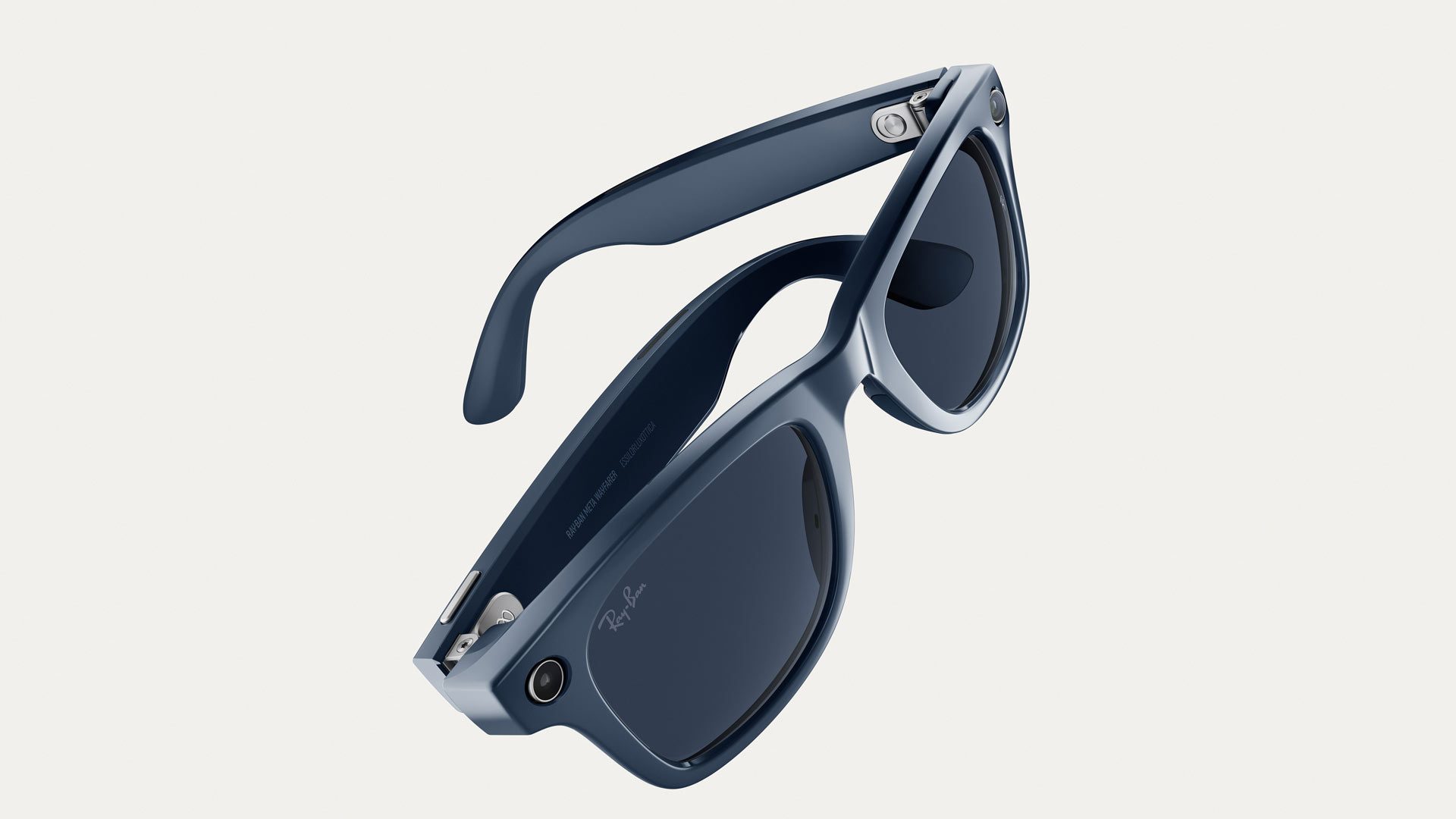
Meta's third-generation Ray-Ban smart glasses are coming.
Two New Models, Codenames Revealed
Tech journalist Janko Roettgers broke the news in his Lowpass newsletter: Meta's hardware partner and the world's largest eyewear maker, EssilorLuxottica, has filed FCC certification applications for two new devices.
The two products are named Ray-Ban Meta Scriber and Ray-Ban Meta Blazer, both labeled as "production units" in the filing.
Anyone who follows consumer electronics knows that FCC filing is basically the last stop before a product launch. Looking back at the previous three generations of Ray-Ban smart glasses, none of them took more than a month from FCC filing to retail availability. At this pace, we'll likely see the new generation within weeks.
What Can We Glean from the Filing?
As usual, the FCC documents are stripped clean — no product images, no detailed specs. Meta does this every time. But even in the limited information available, a few valuable clues stand out.
All-new model numbers. RW7001 and RW7002 don't match any existing product line, confirming this isn't a shell refresh with new frame colors. This is a genuine new generation.
Wi-Fi spec changed. The new devices were tested with Wi-Fi 6 U-NII-4 band (5.9GHz), while the current models use Wi-Fi 6E (6GHz). A step down, likely for cost control, or possibly to accommodate a new chip solution. The exact reason is unclear for now.
Charging case is still around. The testing documents mention a charging case — that accessory has been a constant since the very first generation.
Why Is Meta Going All-In on Glasses?
In January this year, Meta's Reality Labs division laid off at least 10% of its staff. But the cuts hit VR content and metaverse teams, while the glasses group was largely untouched. The direction is clear: pivoting from virtual reality to AI + smart glasses.
Is there substance behind this pivot? The numbers speak for themselves. EssilorLuxottica disclosed earlier this year that over 7 million smart glasses were sold in 2025. What does that mean? Triple the total of all previous years combined. A threefold increase in a single year.
That's well beyond "early adopter" territory.
What Could the Next Generation Bring?
Previous reports have indicated that Meta has been working on two internal development projects codenamed "Aperol" and "Bellini." Whether Scriber and Blazer correspond to these codenames hasn't been confirmed, but based on various leaks, here are the upgrade directions worth watching:
-
"Super Sensing" mode: The current Ray-Ban Meta can only sustain continuous AI operation for about 30 minutes. The next generation is reportedly capable of running AI for hours at a stretch. If true, the glasses would shift from "answer when asked" to a passive observer that's always on. Remind you about forgotten keys, proactively recommend items you regularly buy, help you recall names of people you've just met. The logic fundamentally changes from reactive to proactive.
-
Facial recognition: Meta has been testing this feature for a while. Privacy backlash is inevitable, but the demand is real — business networking, security, and social scenarios all have clear use cases.
-
Better local AI compute: Continued investment in chips and algorithms should enable more AI tasks to run on-device rather than relying on cloud processing. Faster response, lower latency, better privacy.
Of course, how many of these actually make it into Scriber and Blazer remains to be seen.
Looking Back at These Three Years
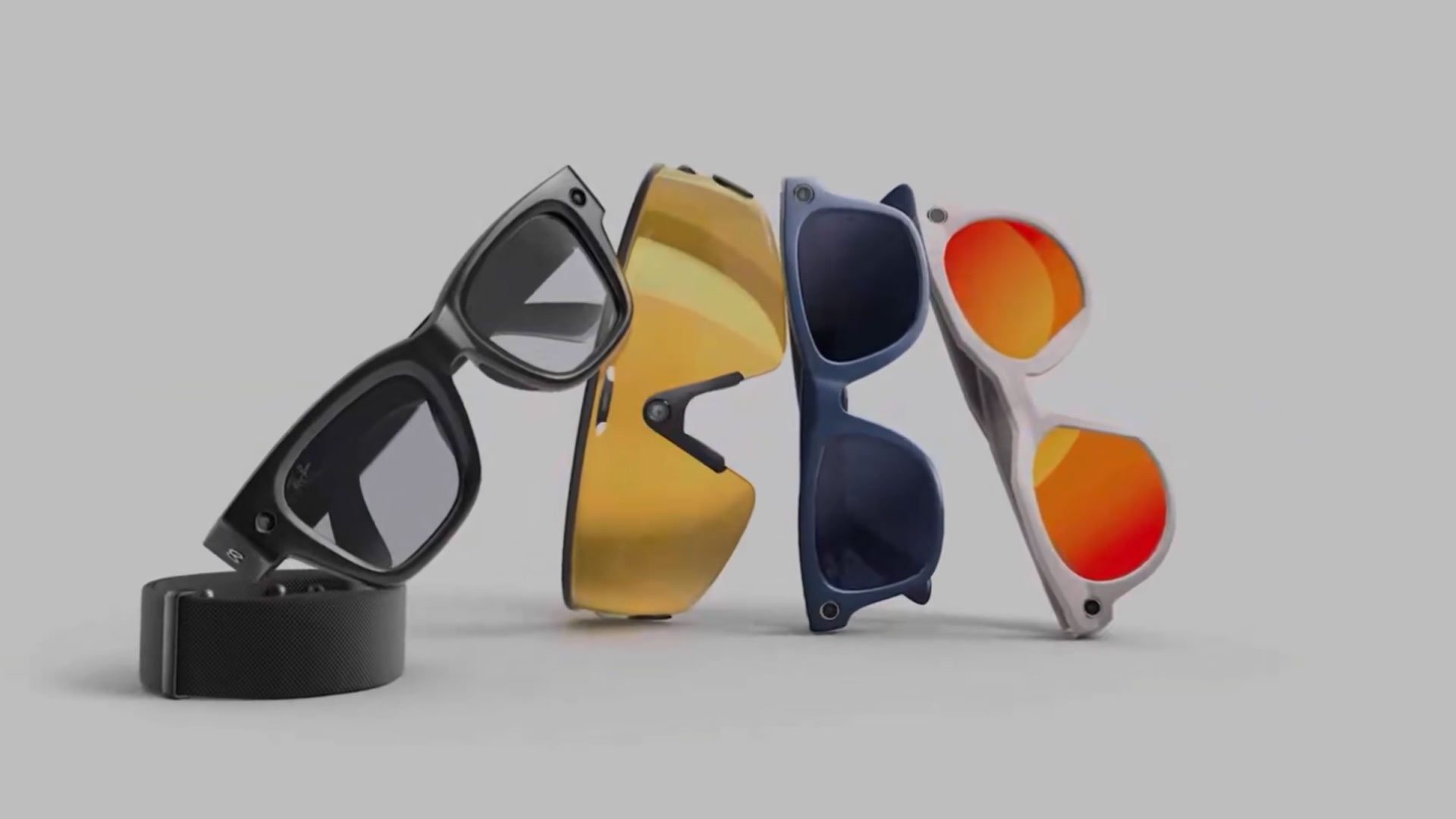
When the first-gen Ray-Ban Meta launched in 2023, plenty of people dismissed it as a camera-equipped pair of sunglasses. Two years later, Meta dropped four products in rapid succession: Ray-Ban Meta Gen 2, Oakley Meta HSTN, Oakley Meta Vanguard, and the $800 Meta Ray-Ban Display with a built-in HUD.
Zuckerberg said on an earnings call that over a billion people wear glasses daily, and he's betting that AI-powered smart glasses will proliferate faster than anyone expects over the next 5 to 10 years.
That bet looks solid. When AI gets packed into a pair of glasses that look completely ordinary, when cameras evolve from "surveillance tools" into everyday assistants that help you navigate, translate, and capture life — the wall between people and the digital world might actually come down.
And RW7001 and RW7002 in the FCC database? Just two more bricks in that wall.
A question for you: if glasses could remember the name of every person you've ever met, would you wear them?
分享文章
3篇相关文章
Meta's AI Glasses Dilemma: When Your Glasses Know You Better Than Yourself, Should the Privacy Light Be On?
2026-07-30
When your glasses know you better than you know yourself, do you have a more convenient life, or deprived privacy?
Chinese AI Glasses Company Becomes Unicorn: What Does This Signal?
2026-07-09
Chinese smart glasses company Even Realities secured $150 million in funding, reaching a $1 billion valuation to become a unicorn. Led by Meituan and Tencent.
The 'Steam Engine Moment' for 3D Content Production: VAST Raised 1 Billion RMB
2026-07-02
When giants like Geely, Giant Network, and 4399 all bet on a 3D AI model startup, I think this signals something meaningful.