
The Phone Case Moment for AI Smart Glasses Has Arrived
What's the first signal that a breakthrough technology is going mainstream? Not sales, not funding, but when protective cases appear.
When the iPhone first launched, nobody applied screen protectors or used protective cases. Everyone treated it with extreme care, terrified of scratching it even slightly. Now, before you even break in your new phone, protective cases already fill store shelves.
These past few days, the AI smart glasses industry has reached this标志性 milestone.
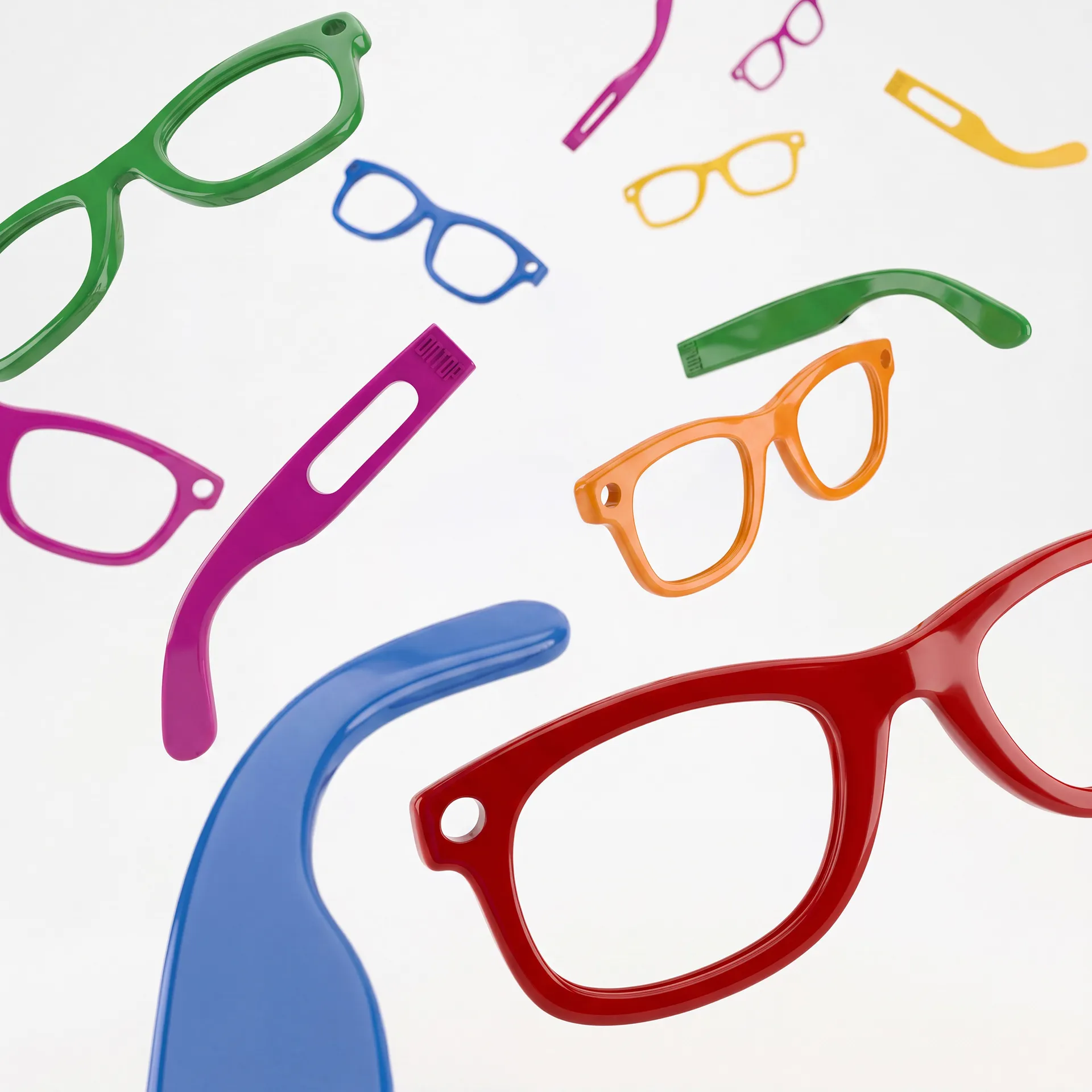
An Italian company called Lorika has launched the Ontop protective case, designed specifically for Meta Ray-Ban smart glasses, priced at $35-40.
Lorika's CEO Giorgio di Cesare is an early Meta smart glasses user himself. One day, he accidentally broke his glasses' hinge and suddenly realized: these things are so expensive, why isn't anyone making protective cases? The inspiration came right there—just copy the phone case approach.
The Ontop case is made primarily of polycarbonate plastic—the same material used for phone cases, lightweight and durable. The frame part incorporates elastic polymer for a more secure fit. Most importantly, it's only 1mm thick, so cameras and speakers function normally—no features are blocked.
What's interesting is that Ontop features bold, vibrant colors. Current mainstream AI smart glasses basically come in two colors: black and dark brown. If you wear Ray-Ban Meta glasses on the street, you'll look like everyone else. Isn't this just like everyone wearing black-rimmed glasses back in the day? Ontop is here to break this monotonous color deadlock.
This might seem insignificant, but it reveals several signals.
AI smart glasses are moving from novelty to everyday use. Only when users start worrying about device damage and want personalization can we say the product has truly integrated into daily life. The rise of phone cases marked smartphones becoming daily necessities; the appearance of glasses cases means AI smart glasses are crossing that same threshold.
The accessories market is awakening. Lorika is just the first mover. As Meta, Apple, Google, and other tech giants pile into AI smart glasses, demand for "protection + personalization" accessories is brewing an entirely new niche market. Consider this: how big is the phone case industry now? Hundreds of billions.
Meta's first-mover advantage is accumulating. Ontop currently only fits Meta Ray-Ban Wayfarer first and second generations. This shows Meta already has sufficient user base in the consumer AI smart glasses market to support a third-party accessories ecosystem. Once an ecosystem forms, it's hard for latecomers to catch up.
Will AI smart glasses become the next computing platform? Hard to say. But one thing is clear: when accessory manufacturers start entering, the category has passed the "concept validation" phase and entered true mass adoption.
Next, you'll see more AI smart glasses accessories: charging cases, custom temples, decorative stickers... this market is just warming up.
Sometimes, real opportunities hide in those inconspicuous "accessories." Just like how many phone case makers ended up earning more than the phone manufacturers themselves.
In this AI smart glasses wave, are you bullish on the accessories market?
分享文章
3篇相关文章
Lamborghini Redefines Car Showrooms with Vision Pro, But You're Still Sitting in a Fake Car
2026-07-10
When technology lets you own everything in the virtual world, will you still pay for material possession in reality?
Meta Is Testing AI Glasses Without Privacy Indicator Lights
2026-07-09
Imagine a scenario: you walk into a café, and the person at the next table is wearing a pair of ordinary-looking smart glasses. You see no indicator lights flashing, but those glasses are recording audio and taking a photo every few seconds, capturing everything you do.
Even Realities Raises $150M: Not Making Second Pair of Eyes, Just First Screen
2026-07-07
Meta wants to cram cameras into every corner of their glasses, but Even Realities cut the camera completely. Yesterday this Chinese company secured a $150M Series B round led by Tencent and Meituan, reaching a $1B valuation.