
Yokosuka Jacket Enters the Metaverse: When Century-Old Cultural Symbols Wear into Virtual World
How did a century-old Yokosuka jacket find its way into the metaverse?
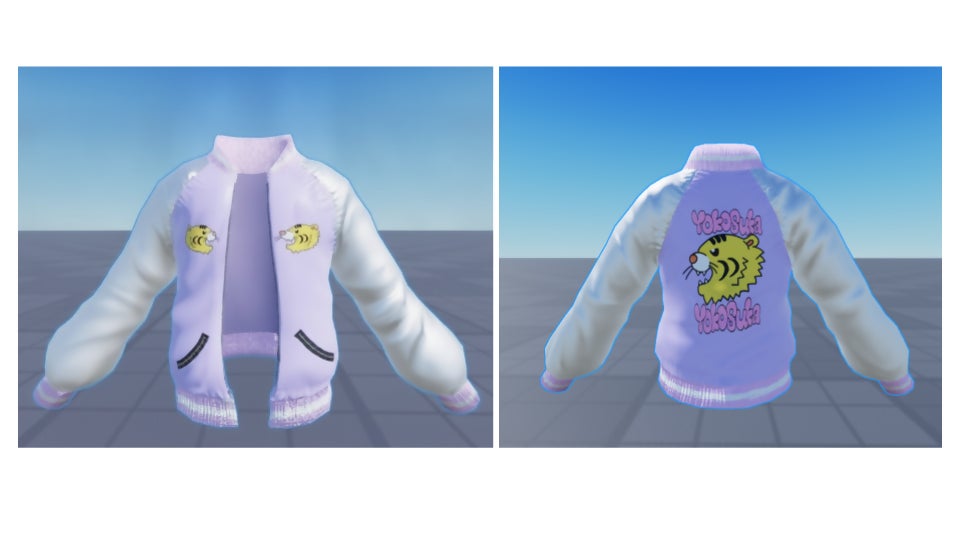
On July 27, Yokosuka City in Japan gave away 300 digital Yokosuka jackets for free on the Roblox platform—the beautifully embroidered Souka Jacket that fashion enthusiasts love, now becoming wearable gear in the virtual world.
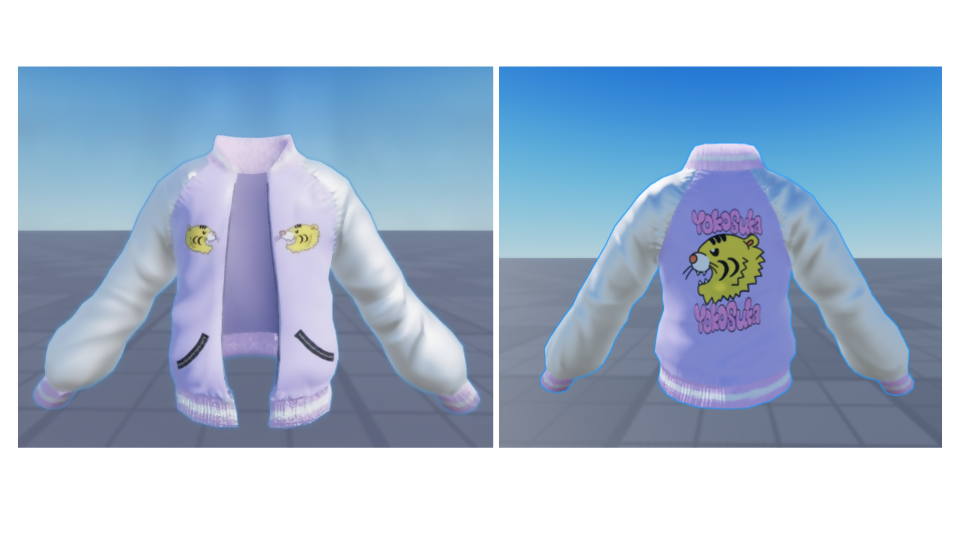
Yokosuka City teamed up with tech company Ignithus to transform the traditional jacket into a 3D digital asset. Two designs, 150 each, first come first served. Players can pick them up in Roblox's "Cozy Life" scene and dress their virtual avatars.
Roblox has about 150 million daily active users, mostly Gen Z. Yokosuka's move uses the language of young people to promote local culture globally.
This isn't simple "digitization."
What does traditional tourism promotion look like? Shoot a promo video, print brochures, hold exhibitions. Yokosuka chose another path—directly entering young people's daily entertainment scenes, turning cultural symbols into interactive, socializable digital assets.
Yokosuka has been laying out its metaverse strategy since October 2023, operating two virtual worlds on VRChat with cumulative visits exceeding 240,000. The 3D jacket data they provided has been downloaded 140,000 times.
Cultural digitization isn't a one-time marketing campaign; it's an ecosystem that requires sustained operation.
Local governments are becoming early adopters of the metaverse.
Why? The metaverse offers a low-cost global distribution channel. A city's physical promotion requires renting venues, printing materials, organizing events—high cost, limited reach. But in the metaverse, a single 3D model can reach 150 million users globally with near-zero marginal cost.
Yokosuka's strategy is clear: cultural symbols as entry point + youth platforms + free experience + long-term operation. This isn't following trends; it's a carefully considered digital strategy.
The metaverse is first and foremost a cultural carrier, allowing traditional symbols to be reborn in new contexts.
Yokosuka's experiment may become a template: city cultural IP + metaverse distribution + sustained operation.
When a city's cultural symbols circulate among young people worldwide as digital assets, will future city competitiveness depend on who can tell their story best in the metaverse?
What will be the next traditional item to enter the metaverse?
分享文章
3篇相关文章
New Metaverse Office Trend: Wearing Swimsuits to Work? This Japanese Company Turned Work into an RPG Game
2026-07-29
Moving offices into the gaming world and replacing performance evaluations with virtual currency. Japanese company ViKet Town is redefining how we work.
90+ Furniture Items, New District, Revived Maps — Holoearth's Latest Update is Something Special
2026-03-25
A virtual world isn't stagnant water — it needs to grow, iterate, and respond to expectations like a real city. Holoearth's 1.4.0.0 update is delivering an answer to this question.
Meta Reverses Decision to Shut Down Horizon VR After User 'Heartbreak'
2026-03-23
48 hours. From announcing shutdown to reversal — this might be the fastest 'face slap' in tech history.