
New Metaverse Office Trend: Wearing Swimsuits to Work? This Japanese Company Turned Work into an RPG Game
New Metaverse Office Trend: Wearing Swimsuits to Work? This Japanese Company Turned Work into an RPG Game
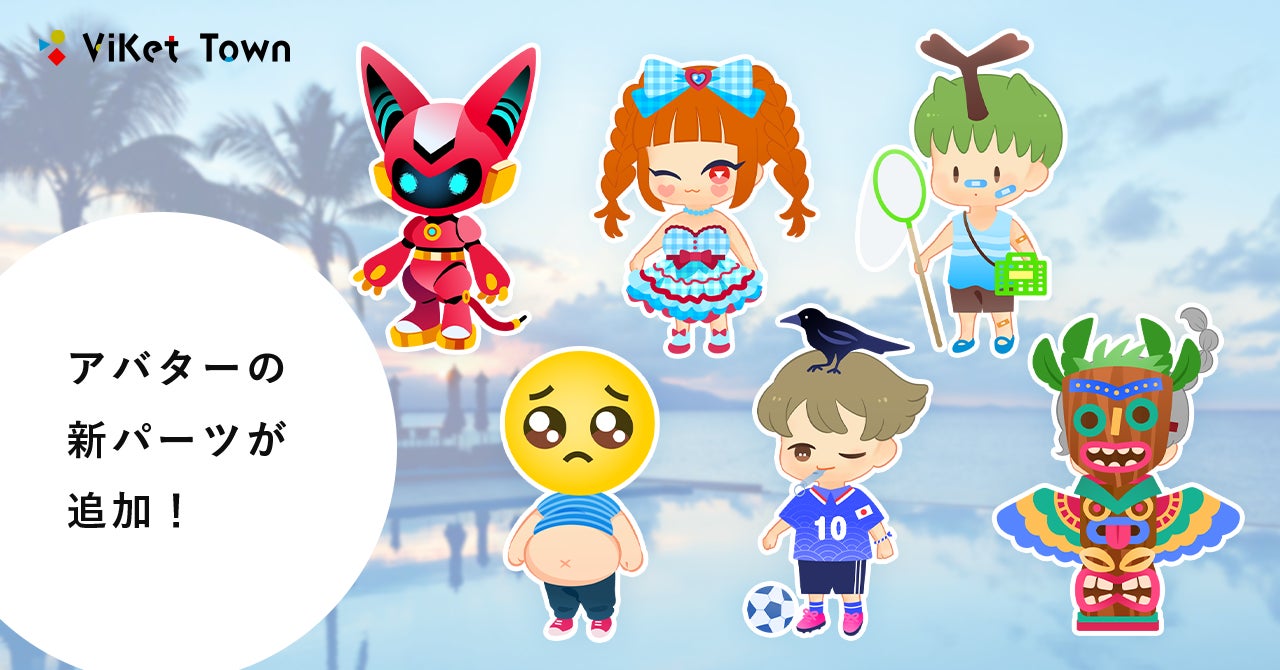
A Japanese company is releasing summer swimsuits and yukatas for employee virtual avatars.
This isn't some strange service industry, but a metaverse office software company—ViKet Town. They're using this seemingly "frivolous" move to solve several problems plaguing the modern workplace.
Three Shackles
The pain points for modern workers boil down to three:
Location. Your work only needs a computer, but the company insists you spend two hours commuting every day.
Management. Clock-in, location tracking, monitoring... companies want to put GPS on everyone, afraid you'll slack off for a second.
Evaluation. Whether you did good work depends entirely on your supervisor's mouth. People who know how to play the game get promoted and get raises, while those who focus on work stay at the bottom year after year.
Remote work, flexible schedules, OKRs... these solutions are just patching the surface.
The Metaverse Solution
ViKet Town's logic is simple—if the rules of the real world can't be changed, then go to the virtual world to make new ones.
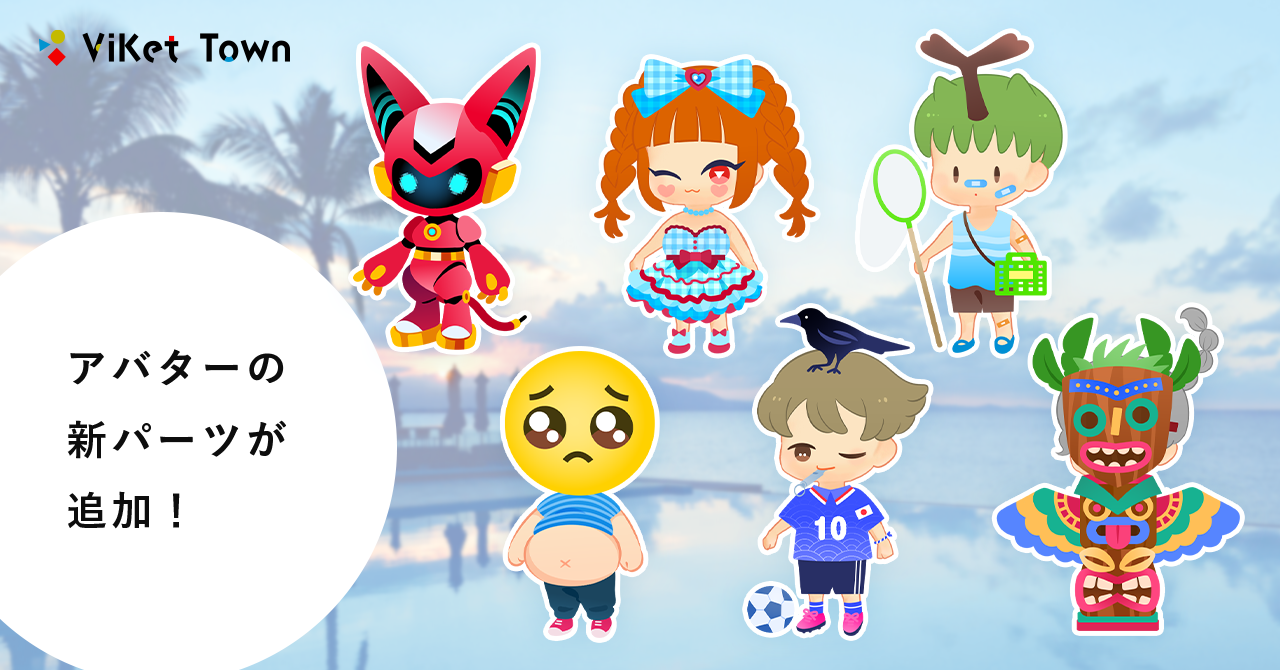
They created an RPG-style metaverse office space. Everyone can create their own virtual avatar, customizable from head shape and hairstyle to clothing.
Sounds like "Second Life" or "Roblox"?
The difference is that ViKet Town isn't here for social entertainment, but to solve real problems.
Freedom of Location
ViKet Town supports virtual chat, video calls, and lets you register your frequent "hot spots." You can access the virtual office from home, from a café, from anywhere with internet, and collaborate face-to-face with colleagues.
In the metaverse, everyone is in the same "space." Not the cold grid of video boxes like Zoom, but actually seeing your colleague's virtual avatar standing next to you—that sense of presence is completely different.
Freedom of Management
Clock-in, work hour tracking, shift management—these features all exist, but data is no longer used to choke you, but to optimize collaboration.
Every move an employee makes in the virtual space generates data. Companies can precisely know who is actively communicating and who is efficiently outputting. This shifts management from "control" to "empowerment."
Freedom of Evaluation
The most ruthless part: ViKet Town introduced a virtual currency system called "vike."
Active employee interactions in the metaverse generate vike. This isn't KPI bonus money from the company, but currency automatically generated by the system based on your behavior.
More importantly, vike can be used for consumption within the platform. This creates a miniature internal economic system:
Active communicators earn vike, vike buys virtual costumes, virtual costumes become new social currency, social activities generate more vike.
A virtuous cycle. The boss's preferences no longer matter—data speaks for itself.
The Flavor of DAO
Those familiar with Web3 should recognize it—this is the workplace version of DAO (Decentralized Autonomous Organization).
ViKet Town moved blockchain governance logic into the enterprise collaboration scene: replacing administrative orders with token incentives, replacing subjective human judgment with algorithmic evaluation, replacing hierarchical reporting with community consensus.
The company wrote directly in their promotional materials: "Web3.0 worldview and DAO organizational system are realized in ViKet Town."
Seasonal Easter Eggs
Back to the swimsuits and yukatas mentioned at the beginning.
ViKet Town releases seasonal virtual costumes every month. August is mid-summer, so we have beach-style swimsuits, cool yukatas, and various summer-themed props.
These costumes aren't just good-looking—they're social lubricants.
In a serious business meeting, when your colleague suddenly appears in a Hawaiian shirt—that visual impact instantly breaks the ice, and topics naturally flow.
Where in traditional office software do you get this chance?
Several Key Points
ViKet Town isn't the first to do metaverse offices, nor the most technically flashy. But they captured several key points:
Lowering barriers. No VR headset needed, no high-end graphics card required—any computer works. This makes large-scale promotion possible.
Localized implementation. Japanese corporate culture is hierarchical and communication is implicit; ViKet Town's virtual avatars break through these cultural barriers—you don't need to see what I look like, we're just discussing business.
Gamification design. Packaging boring work processes into RPG experiences, using tasks, rewards, and costumes to drive spontaneous employee participation—much more effective than KPI sticks.
Future Questions
Whether this model can scale depends on several factors:
Cultural fit. Western companies may be more used to direct communication and have less need for virtual avatars.
Management acceptance. How much courage does it take for companies to give up control?
Technical maturity. Current metaverse experiences still lag and drop frequently, which seriously impacts collaboration efficiency.
But then again, any disruptive innovation looks like a toy at the beginning.
Conclusion
If one day, your company announces: starting tomorrow, everyone works in the metaverse, gets paid in virtual currency, wears whatever they want—will you be too excited to sleep, or will you panic and refresh your resume at midnight?
That question may come sooner than you think.
Source: ViKet Town Official Press Release (July 29, 2026) Images: ViKet Town Official Release Materials
分享文章
3篇相关文章
Yokosuka Jacket Enters the Metaverse: When Century-Old Cultural Symbols Wear into Virtual World
2026-07-27
How did a century-old Yokosuka jacket find its way into the metaverse?
90+ Furniture Items, New District, Revived Maps — Holoearth's Latest Update is Something Special
2026-03-25
A virtual world isn't stagnant water — it needs to grow, iterate, and respond to expectations like a real city. Holoearth's 1.4.0.0 update is delivering an answer to this question.
Meta Reverses Decision to Shut Down Horizon VR After User 'Heartbreak'
2026-03-23
48 hours. From announcing shutdown to reversal — this might be the fastest 'face slap' in tech history.