
Farewell And Rebirth: As WebAR Giant 8th Wall Exits, Where Do We Go Next?
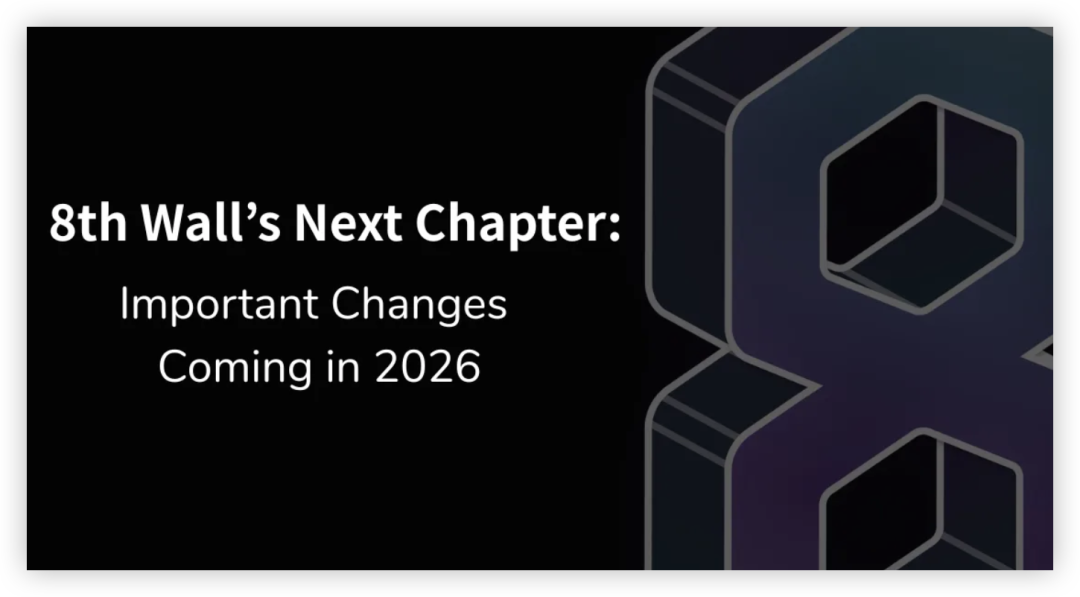
The sunset of WebAR pioneer 8th Wall has sent ripples through the XR world. Yet talk of open‑sourcing its technology hints that this farewell could also be a new beginning.
Remember those magical AR experiences that ran right in your browser—no app downloads, just tap a link or scan a QR code? 8th Wall was the engine behind many of them. Since 2018, its powerful, convenient toolkit has become a “magic wand” for developers, opening immersive experiences to brands and agencies around the globe. Now, seven years later, the platform is winding down and exploring the possibility of open‑sourcing its core. What does this turning point really mean?
From one angle, 8th Wall’s exit is not a retreat, but a natural adjustment in a fast‑moving XR ecosystem. It reminds us that even trailblazers must keep evolving or risk being left behind. At the same time, the open‑source discussion showcases a deeper value in tech: sharing. It could plant new seeds for the next wave of WebAR development.
A Glorious Chapter: The WebAR Trailblazer
Founded in 2016, 8th Wall launched its WebAR platform in 2018. Its biggest advantage: letting developers use familiar web technologies—HTML, CSS, and JavaScript—to build interactive AR experiences that run on mobile, desktop, and XR devices. Users do not need to install apps. A quick scan or click and they are inside an AR scene. That low‑friction model was key to WebAR’s expansion.
After Niantic acquired 8th Wall in 2022, the platform integrated into the Niantic Spatial ecosystem and continued to evolve—proof of its technical strength and market impact.
Phased Shutdown: A Timetable For Goodbye
According to the official timeline, the shutdown will be gradual. Starting February 28, 2026, 8th Wall will stop new user registration and login, and creation, editing, and exporting of projects will be restricted. Existing published or hosted projects will remain accessible until February 28, 2027. After that, all hosting services end and remaining data is deleted per the retention policy. In practice, developers have about a year to migrate and back up their work.
Niantic's Strategy Shift And WebAR's Tomorrow
When Niantic bought 8th Wall, many expected deep integration into the broader Lightship ecosystem. The shutdown appears to reflect a strategic refocus and resource consolidation. It raises questions: Is Niantic prioritizing its own stack, such as Lightship VPS? Will lightweight WebAR ultimately give way to app‑based or device‑native AR?
Yet the hint of open‑sourcing changes the conversation. If the core tech is released under an open license, developers worldwide can extend, remix, and build on it. 8th Wall's legacy would live on in a more decentralized form. New WebAR frameworks and tools could emerge, and even push WebXR standards forward.
Open Source: A Double‑Edged Sword Of Challenge And Opportunity
Open source lowers barriers and accelerates innovation, but it also poses questions. Who will maintain the code? Can a strong community arise to sustain momentum? These will be key issues if 8th Wall opens its stack.
Even if the commercial service disappears, its technology and lessons, channeled through open source, could continue shaping the future of WebAR.
Conclusion
8th Wall’s shutdown marks a turning point in WebAR’s history. It closes a brilliant chapter while opening the door to a more open, community‑driven future. An open‑source WebAR ecosystem could become more vibrant and diverse than any single platform. With developers and enthusiasts worldwide contributing, WebAR will keep evolving and delivering immersive experiences beyond what we can currently imagine.
Reference: https://www.8thwall.com/blog/post/200208966730/next-chapter
分享文章
3篇相关文章
A New XR Education Era: How Samsung Galaxy XR Reinvents Enterprise Training
2025-11-14
Samsung Human Resources Development Institute adopts Galaxy XR, fusing AI with extended reality to redefine corporate learning.
South Korea XR Stuns the World: From Digital Healing to AI Collaboration, Unveiling Eight Pioneers of Future Digital Life
2025-11-03
South Korea's innovation wave in XR, metaverse, and AI is sweeping the globe. This article explores eight Korean pioneers reshaping digital life through cutting-edge tech—from physical and mental wellness to entertainment, smart operations to artistic creation—showcasing the vibrant energy and infinite possibilities of Korea's digital content industry.
This Japanese Company Uses XR to Make Manufacturing Experience 'Digitally Immortal'!
2025-10-15
The future of manufacturing lies in the hands of every craftsman. But the skill transfer gap is becoming a massive obstacle to industry development. Now, a new platform combining cutting-edge MR and 3DGS technology is quietly changing all this.