
Meta's Gaming Chief Leaves After 11 Years
Meta's Gaming Chief Leaves After 11 Years
What can change in 11 years? Enough time for a boy to become a father, for a startup to go public, and for Jason Rubin to build Meta's VR content operation from scratch into an industry leader.
In March 2026, this gaming content lead who spent over 11 years at Meta announced his departure.
The Timing is Interesting
Just two months before Rubin's departure, in January 2026, Meta shut down three VR game studios: Twisted Pixel, Sanzaru Games, and Armature Studio.
These weren't ordinary teams - they developed major VR titles like "Asgard's Wrath" and "Deadpool VR."
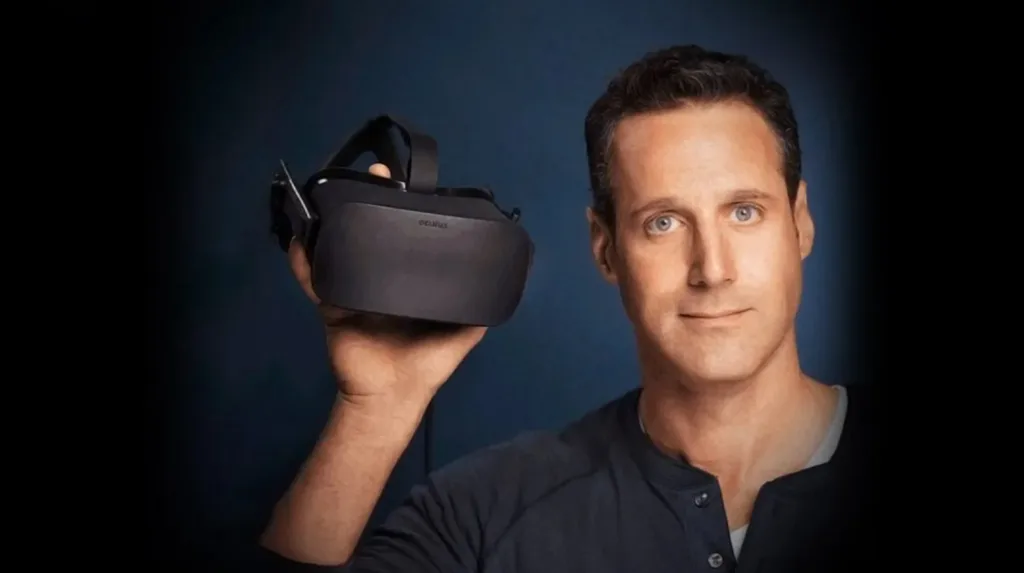
Jason Rubin announced his departure on X
Rubin wrote politely on X, calling it a "difficult decision," thanking Zuckerberg and Boz for their leadership, expressing gratitude to colleagues, and saying he's "excited" about the roadmap for Horizon and VR.
What's he doing next? Wildlife photography. He says "now is the time."
From Crash Bandicoot to VR
Before joining Meta, Rubin was already a big deal in gaming.
In 1984 he co-founded Naughty Dog and created "Crash Bandicoot" and "Jak and Daxter." If you played PS1, you know these names.
Later he became president of THQ, but the company went bankrupt the following year. In 2014 he joined Oculus VR, before Facebook's acquisition.
During his 11 years at Meta, he:
- Built Oculus's content team from scratch
- Established Meta's first content production and developer relations organization
- Oversaw Quest games, Portal gaming, Messenger gaming features, and cloud gaming
Basically, everything related to gaming content at Meta had his fingerprints on it.
Meta is Recalculating
Rubin's departure, combined with the studio closures, shows Meta is rethinking its VR strategy.
Over the past few years, Meta poured tens of billions of dollars into Reality Labs with little return. Investors started asking: can the metaverse actually make money?
In 2025, Meta began layoffs, even cutting the team behind VR fitness app "Supernatural."
The VR Industry is Shifting
Rubin's departure isn't just about one person - it reflects changes across the entire VR industry.
The past few years were about aggressive expansion. Now things are tightening up.
Specifically:
- Studio acquisitions stopped - unprofitable ones get shut down
- Can't just burn money anymore - need to see returns
- Strategic focus shifted from pure games to the broader Horizon vision
What Should VR Developers Do?
Meta's move definitely worries VR developers:
- Will Meta keep investing in VR games?
- Can indie developers still get Meta's support?
- Is the VR gaming market still viable?
But from another angle, this might be a necessary transition for the VR industry to grow up.
Every emerging industry goes through wild expansion before settling into sustainable operations. Meta is just entering phase two.
An Era Ends
Jason Rubin's departure marks the end of an era for Meta's VR strategy.
He watched VR transform from concept to actual product, from niche to mainstream. He was one of the industry's pioneers.
Now he's picking up a camera to photograph wildlife.
There's something interesting here: maybe the VR industry also needs to be like a photographer - after all the chaotic activity, step back and think about which shots are actually worth taking.
Meta's VR story isn't over, but the storyteller has changed.
What will VR look like in another 11 years? This question is more interesting now than ever before.
分享文章
3篇相关文章
VR Tactical Shooter Geronimo: When Virtual Death Teaches Real-World Communication and Collaboration
2026-07-27
Steam just launched a VR tactical shooter called Geronimo—aimed at squad tactical combat, rough around the edges but gets the core right.
Nurses Must 'Face Violence' Before Internship: How This University Uses VR to Teach Self-Protection
2026-06-16
Australia First: UTS Makes VR Violence Prevention Training Mandatory for Nursing Students
13 Tons of VR Headsets Cross the Ocean: Valve's Hardware Gamble
2026-06-15
A container ship from Shanghai arrived in Los Angeles carrying Valve's first 13 tons of Steam Frame VR headsets. This marks Valve's transition from virtual to reality, from code to hardware.